
How to get around in Venice? A complete transport guide
It’s no secret that Venice is one of the most romantic destinations in Europe, with its endless canals and bridges scattered around, making it so unique.
This is a city known for being a maze of narrow streets, public squares and ‘sestieri’ (neighbourhoods) interspersed with thousands of canals.
So, the question you may be asking now is… how to get around in Venice?
This post contains affiliate links. Urban Abroad is supported by you, and I may earn a small commission (at no extra cost to you) if you make a purchase by clicking a link. Learn more.
How to get around in Venice
There are different options available when travelling in the Venetian lagoon, so let’s take a look at all of them in this guide below.
What’s the best way to get around Venice?
The best way to get around Venice is on foot because you can reach every part of Venice and, at the same time, protect the local environment.
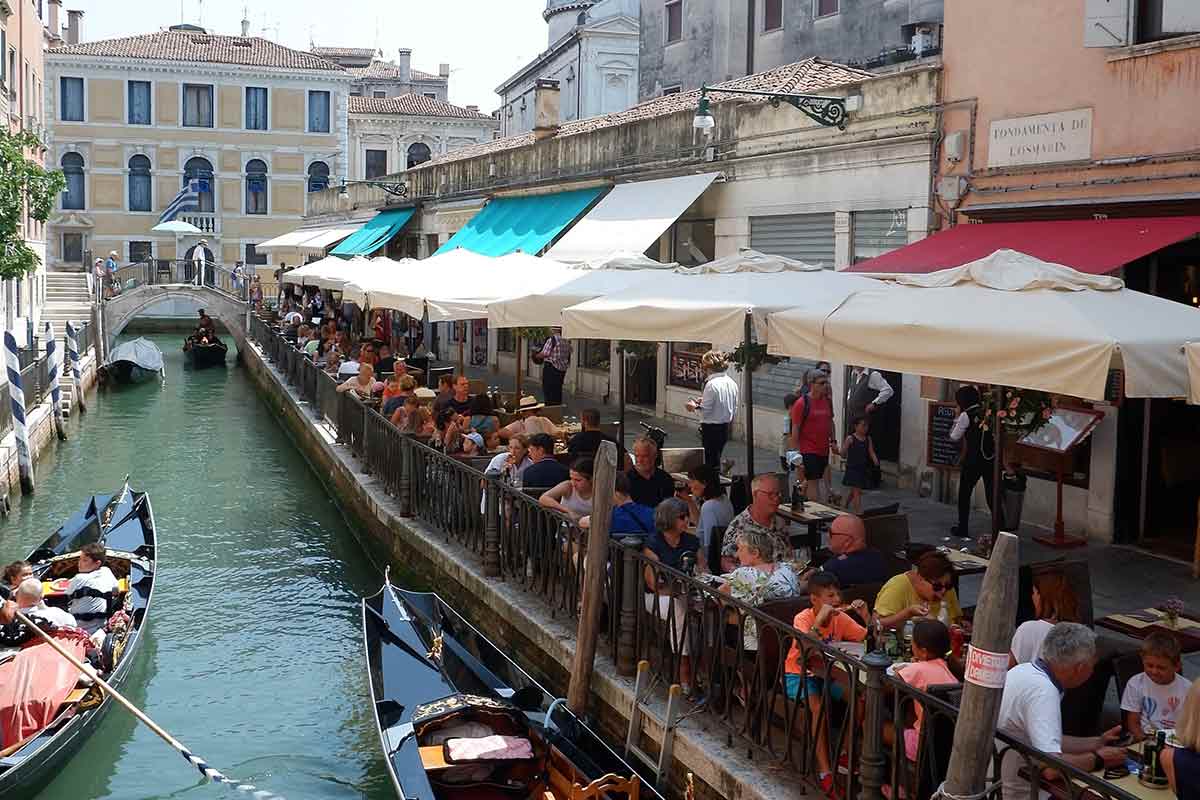
However, there are plenty of options to explore the city. Depending on where you want to go and the time you have available, you can choose one or the other.
To reach popular islands like Murano and Burano or the lesser-known Giudecca and San Giorgio islands; if so, you need to take a vaporetto or a water taxi.
Remember to check the timetables and ticket options to make the most of the public transport of Venice.
For example, if it’s your first time in Venice and you’re travelling with some friends or a loved one, then you can’t miss a gondola or even a private boat tour.
Got travel insurance for your trip?
World Nomads offers simple and flexible travel insurance. Buy at home or while travelling and claim online from anywhere in the world.
Transport in Venice
Before arriving in Venice, it’s important to know the differences between transport and how to get around in Venice with all of them.
1. Bus

Although there is no direct train from the airport, thankfully there are two bus options available for getting from Venice Marco Polo Airport to Venice city centre.
The quickest option is the ATVO Express Bus, which is the direct shuttle bus with free Wi-Fi on board. The ride lasts 20 minutes, and you’ll get to Piazzale Roma.
The ticket price is 8 euros (one way) and 15 euros (return). There are 2 buses every hour (this price also includes one piece of luggage).
Then the cheaper option is the linea 5 ACTV bus. This is a normal public bus, which means that it will make more stops from the airport to Piazzale Roma.
Expect the ride to last more than 30 minutes. There are 2 rides per hour.
2. By Foot
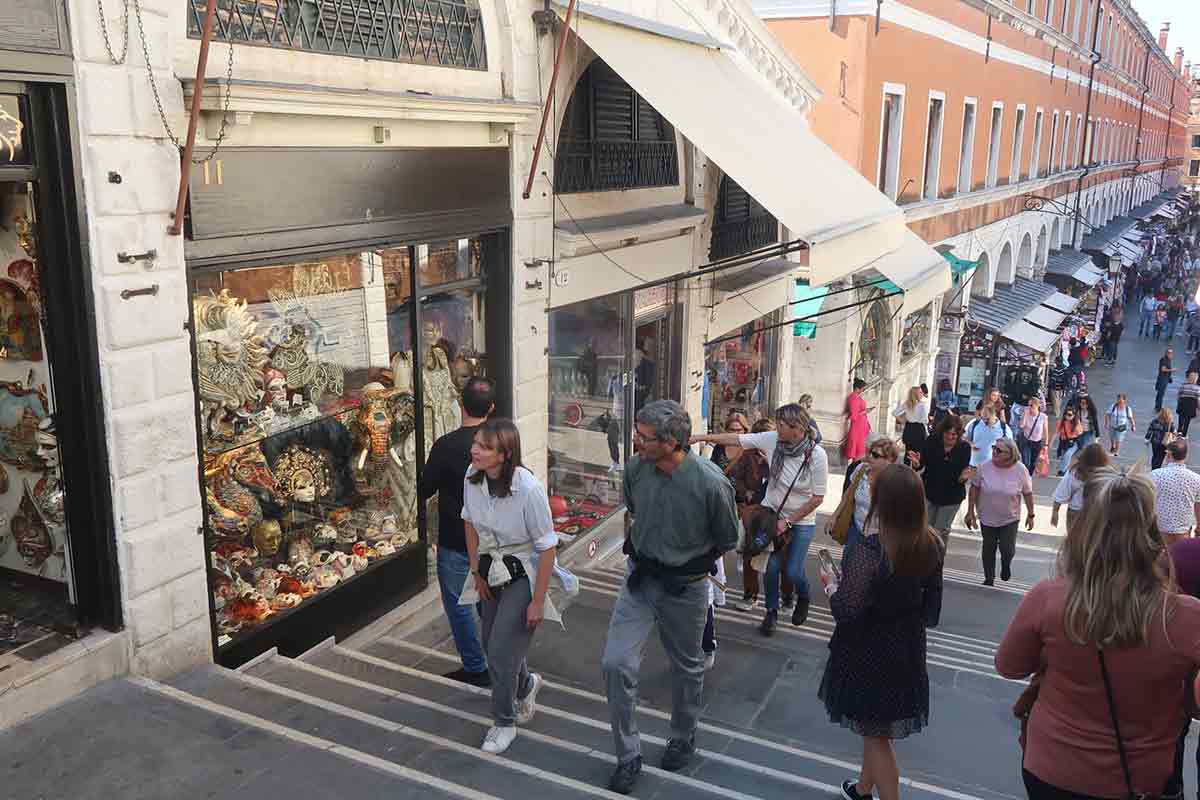
Narrow streets are what Venice is known for, and like most of the locals and tourists will tell you, the best way to move around Venice is on foot.
By visiting the city on foot, not only will you get the chance to discover incredible secret corners, but it’s good for your health too.
This is the reason why Venetian residents look so good and healthy. Walking around its ‘calli’ (narrow streets) and ‘sestieri’ (neighbourhoods) is a way to get a glimpse into the Venetian lifestyle and meet locals.
Additionally, when you walk, you can organise your Venice itinerary as you wish and change it at the last minute, if necessary. This way, you won’t depend on boats’ timetables, queues and long waits in tourist spots.
3. Waterbus
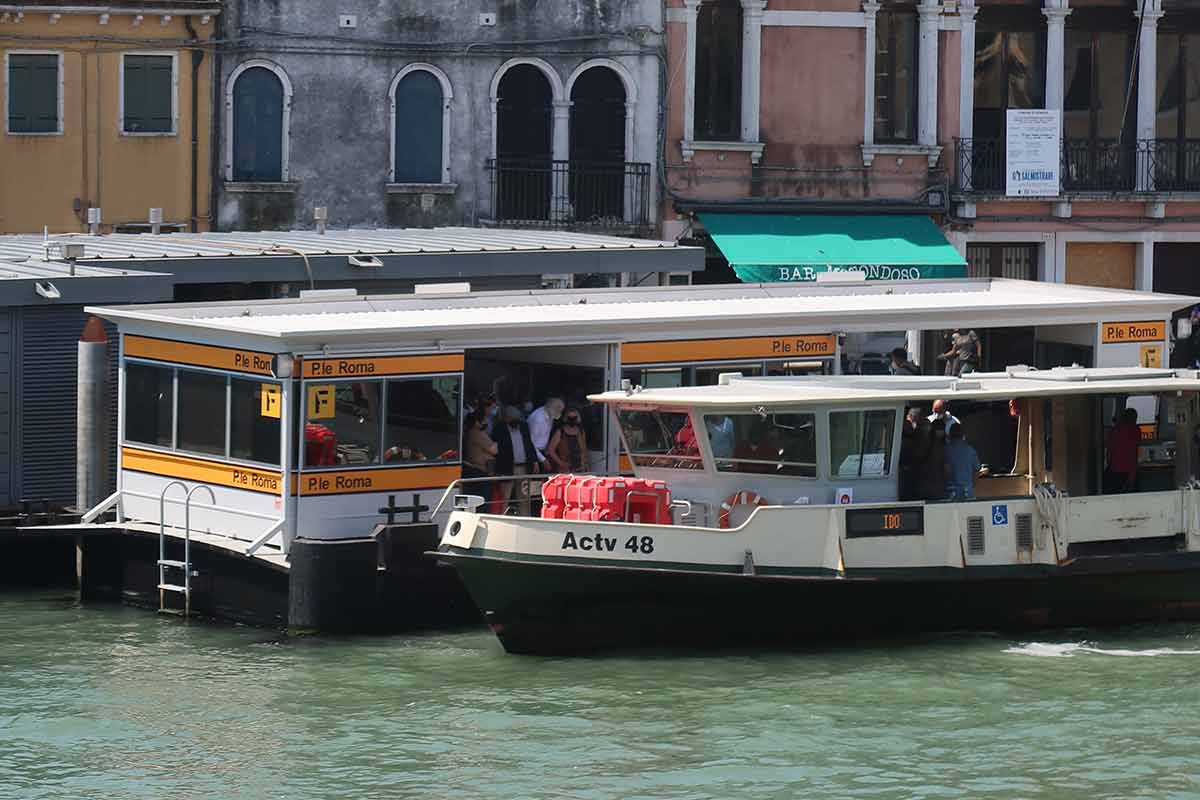
Another good option to see Venice is by water bus, also called a ‘vaporetto’.
The water bus is popular among workers and university students who need to reach their destination efficiently on a daily basis.
This is considered the best option because it’s the cheapest one to get to the main Venetian sights but also to reach other islands of the lagoon. This is a public service available 24/7.
The water bus stops on the Grand Canal every 10 minutes during the daytime and every 20 minutes in the evening.
Check the timetables, as the waiting time for every destination changes.
- Single tickets cost 7.50 euros (lasting 75 minutes).
- 24-hour tickets = 20 euros
- 2-day tickets = 30 euros
- 3-day tickets = 40 euros
- 7-day tickets = 60 euros
You can purchase these tickets at the vending machines in front of the stops, at the ticket offices, and at some tobacco + newspaper kiosks.
To avoid long queues, you can buy them online here to get your tickets in advance.
4. Water taxi
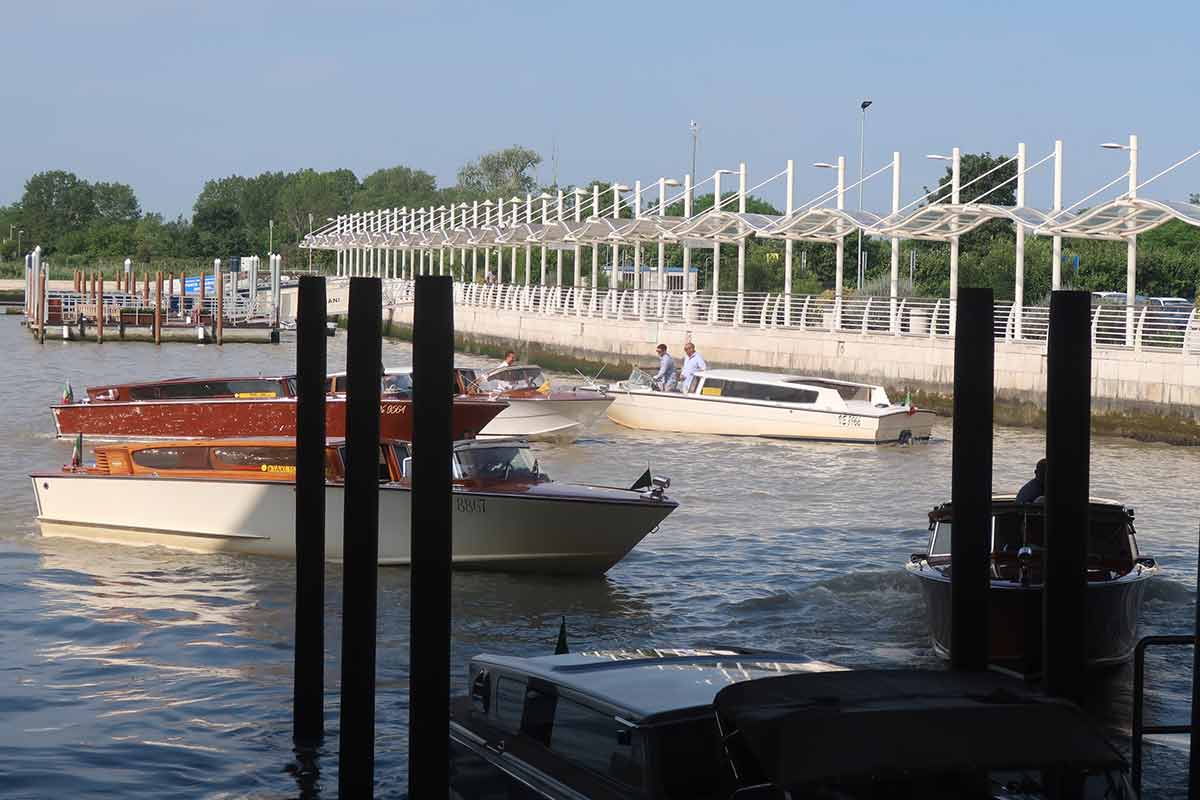
The water taxi is a normal taxi as we know it; the only difference is that it’s moving around canals and in the lagoon. It’s a private motorboat and the most comfortable option to get where you want in Venice fast.
Getting where you want by water taxi means no waiting time, no crowds and walking around to reach a water bus, but this comes at a price.
The water taxi fees are higher compared to other modes of transport. So it might be worth splitting the cost with other people that are travelling with you.
However, if your trip to Venice is exclusive, you won’t want to miss out on the experience. Just be aware that it could increase your trip budget considerably!
See private water taxi prices as well as the shared water taxi prices to compare.
5. Boat
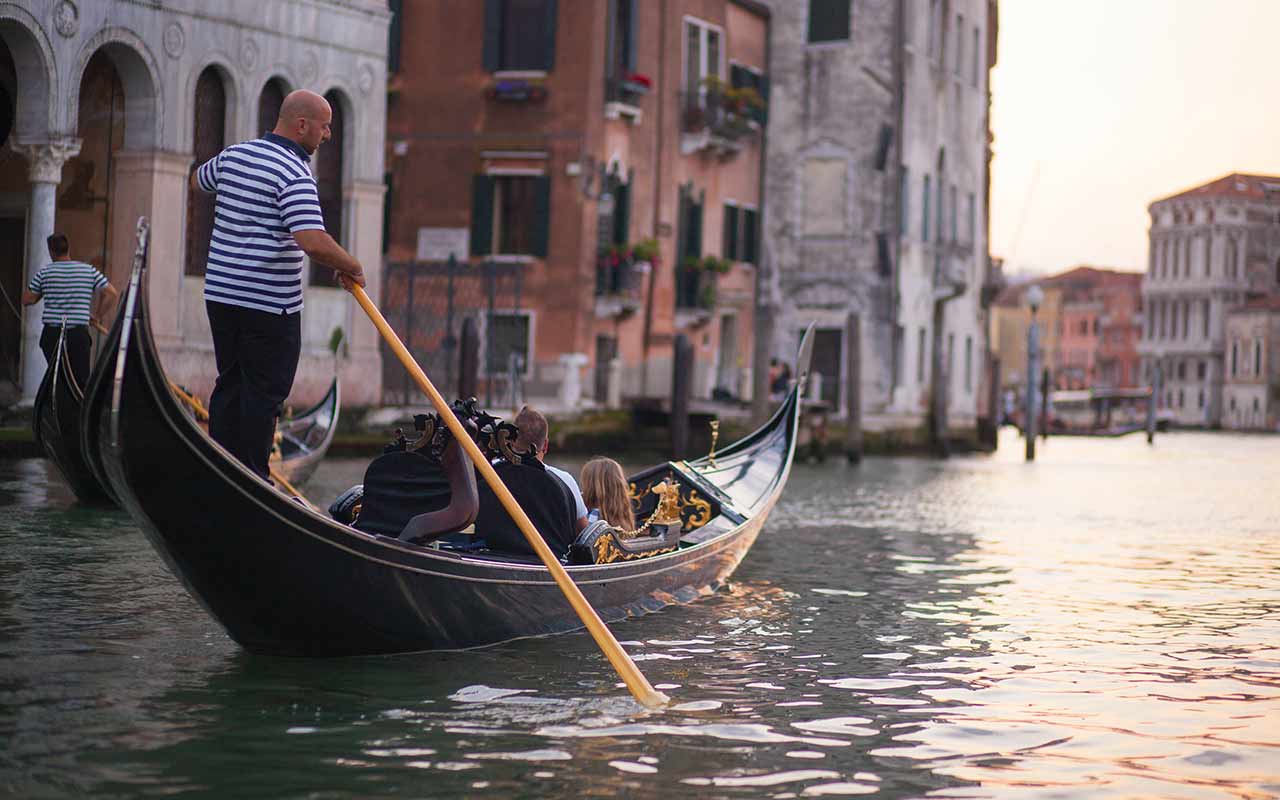
The gondola and sandolo are the two main traditional boats found in Venice. You can even go for a sandolo tour, and it works in the same way as the gondolas do.
A sandolo is a flat-bottomed rowing boat, and the main difference from a gondola is that it’s less ornate and more basic in terms of construction. However, it is equally as important for providing locals and visitors with a means of transport to move on the water in Venice.