
How to plan a solo trip to South America on a budget
For many first-timers planning a trip to South America, the first question usually asked is: “how do I stay safe? and “how do I save money on the road?”
Both budget and safety are top priorities for all traveller, so I’ll do my best to explain the overall situation and give my tips on a country-by-country basis.
This post contains affiliate links. Urban Abroad is supported by you, and I may earn a small commission (at no extra cost to you) if you make a purchase by clicking a link. Learn more.
How to plan a trip to South America on a budget
The paradox lies in the fact that when we travel to South America on a budget, the aim is to save money, but scrimping and scraping inherently puts us in a risky situation because we tend to choose the budget option over everything.
It does not all have to be like this, especially when it comes to accommodation (for example) or doing tours where you’ll be flying off a paraglider somewhere. This is because you can be at your most vulnerable in both situations.
I believe it is smarter to know what to budget for and where to spend that little bit extra to be able to mitigate the safety risk in any one particular place.
Language and currency
Let’s now look at some important elements of budgeting in backpacking South America that most travellers will need to consider at some point during their trip:
1. Language
It is no secret that Spanish is the dominant language of South America.
It’s the main language of:
- Colombia
- Ecuador
- Peru
- Bolivia
- Chile
- Argentina
- Uruguay
- Paraguay
- Venezuela
The two exceptions (of countries I’ve covered in this guide) are Brazil, which speaks Portuguese, and Guyana, whose mother tongue is English.
Another notable language is Guaraní, which, once used by the indigenous tribes of Paraguay, is now also one of the country’s official languages (although not needed as most speak Spanish).
To be honest, you can get around somewhat comfortably with just English, especially in the bigger South American cities like Rio de Janeiro and Lima.
However, knowing just a bit of Spanish will make the experience so much better (not just ease, but also being able to connect with locals).
Although Portuguese is Brazil’s tongue, most understand Spanish so you’ll somewhat be able to communicate and get both of your points across.
There are many indigenous languages also spoken here, most notably in the Andean regions as well as in Bolivia and Paraguay.
Some of the biggest and still used today include Quechua and Aymara. Brazil has the most indigenous languages of all South American countries, with a grand total of 177.
2. Currency
If you’re heading to South America, then be prepared for a myriad of confusing currencies and exchange rates!
Pretty much each country here uses a different currency, so you’ll need to adjust and work out your budget as you move along the backpacking trail.
Ecuador is the only country that uses USD, and therefore it is a lot easier to work out costs. Peru uses soles; however, dollars are sometimes accepted and can be withdrawn from most ATMs (similar to other countries too).
- Colombia uses Colombian Peso
- Bolivia uses Bolivian Peso
- Chile the Chilean Peso
- Argentina the Argentinean Peso
- Brazil the Real
- Paraguay the Guaraní
- Uruguay the Uruguayan Peso
- Guyana the Guyanese Dollar
Then of course we have Venezuela, which uses the Venezuelan bolivar, which tends to be pretty confusing at best. They also widely use dollars, but you’ll need to bring them with you since they are not available in ATM machines.
As all rates are constantly changing, I won’t bother listing them here. You can check currency sites such as XE, which provide up-to-date and accurate exchange rates.
Getting Around South America
There are many ways of accessing South America, with the most popular by plane. The international hubs of São Paulo, Rio de Janeiro, Buenos Aires, Lima and Bogotá are the easiest and often cheapest to fly into.
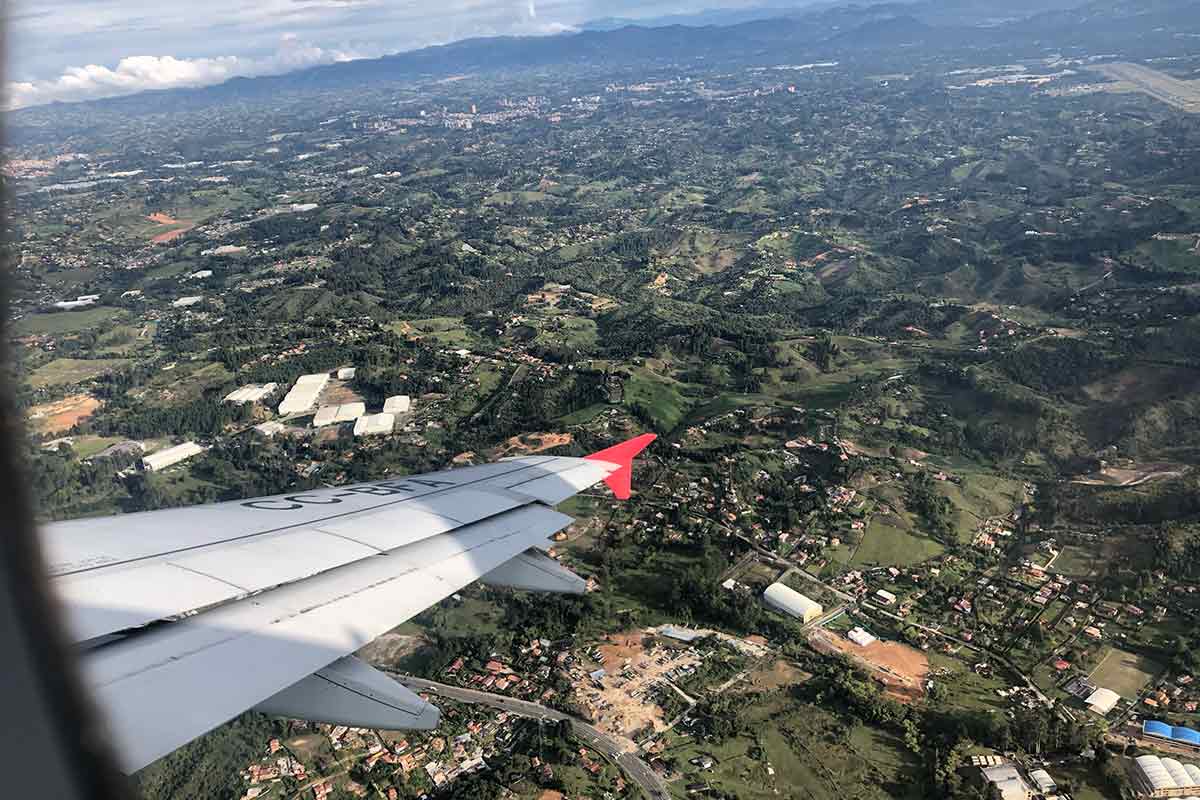
There are a tonne of flights arriving and departing from these cities daily.
The other (more adventurous way) is arriving by sailboat into Colombia from Panama, which is one of my bucket list items in its own right.
If coming from Central America, I’d recommend this option, where you’ll spend 3 days crossing the Caribbean Sea and stopping off in the beautiful San Blas Islands along the way.
The only other way really is by cruise ships, which often depart from the USA or Asia and have multiple stop-offs on the continent. As these are expensive and not part of the travel/backpacking lifestyle I experienced, I won’t go into detail here.
1. Buses in South America
South America is a mammoth of a continent. Driving from Cartagena in the north of Colombia to Ushuaia in the extreme south of Patagonia would take over 6 days, non-stop!
Many who backpack South America with little preparation are slapped in the face when it comes to the distances between destinations, so I want to give you a more gentle one now so you can properly prepare.
Most of the countries are big in size, and whilst some roads are well-built, many are still lacking and often wind around huge mountains and jungles.
You can expect most bus rides to take between 3 and 8 hours between top destinations, although the long-distance ones, like in Chile and Brazil, can often take up to 24 hours.
You can also take regional flights to speed things up. Some of these domestic flights within countries can be pretty cheap, especially in Colombia from my experience. See my 10 day Colombia itinerary for ideas on how you can use flights to save time. However, if your budget is tight, then buses win 100% every time.
Costs and budgeting
One of the most important factors to plan before heading off is your budget.
South America is one of the cheaper continents to backpack around, which is good, as your money will go further here (especially good considering the sheer size and number of things to do and see).
Let’s take a look at how much things tend to be, as well as how to plan both a reasonable and realistic budget.
The costs I listed here are correct as of September 2021.
South America travel costs
Let’s take a look at the typical costs that you’ll be spending on a day-to-day basis in South America.
Remember these can and will vary depending on where you are:
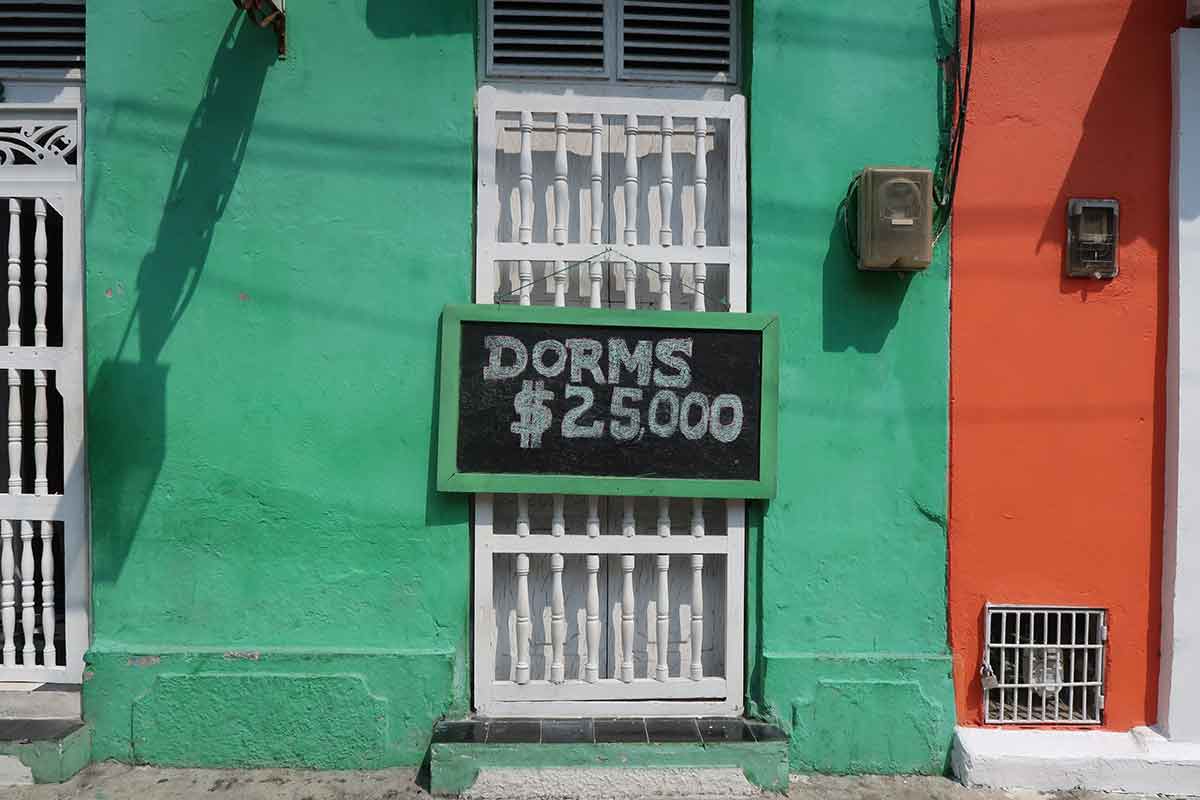
- Average Dorm Bed = £4-10
- Private Single Room in a Hostel = £10-15
- A Street Food Dish = £1-2
- A Meal at an Inexpensive Restaurant = £5-10
- Beer at a Local Bar or Dive = £0.50-£2.00
- Beer at a Touristy Bar = £2.50-3.50
For example, a town in the Bolivian highlands is going to be much, much cheaper than the popular cities of Rio de Janeiro and Buenos Aires.
South America travel budget
As previously mentioned, backpacking around South America is quite cheap.
All countries do vary in terms of budget needed, especially with Latin America’s infamous ability to be unstable both politically and economically.
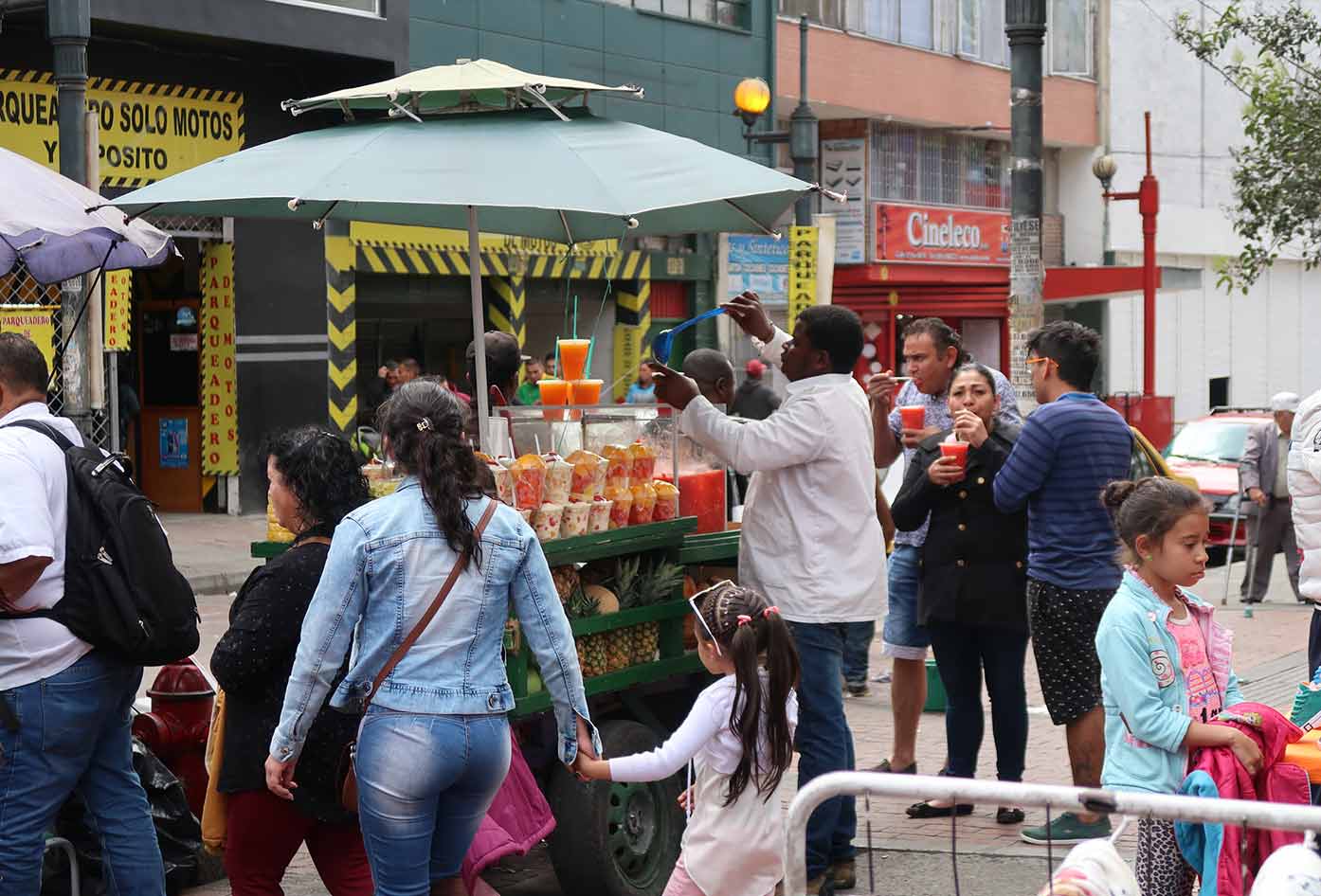
For Brazil, Argentina, Uruguay and Chile, the average backpacker will be spending roughly £25-30 a day. These are by far the more expensive countries to travel and backpack around.
Whilst it’s definitely possible to spend less, the figure above takes into account average dorm bed rates and food as well as transport around cities within these countries.
For the rest of these countries, you can expect to spend around £20-25 per day.
These countries (especially Bolivia and Paraguay) tend to be poorer in areas and also a lot cheaper compared with the previous ones.
It’s a lot easier to travel for longer in these countries, so factor more time in these countries to make the most of your journey on this continent.
South America trip planning
Whilst backpacking is definitely about being spontaneous and open to the new, solid planning beforehand really does go a long way.
Below I’ll go through some key things you should get sorted before heading out to South America.
What to pack for South America
I don’t know about you, but for me, pulling out my old backpack and preparing for a trip really gets the adrenaline going.
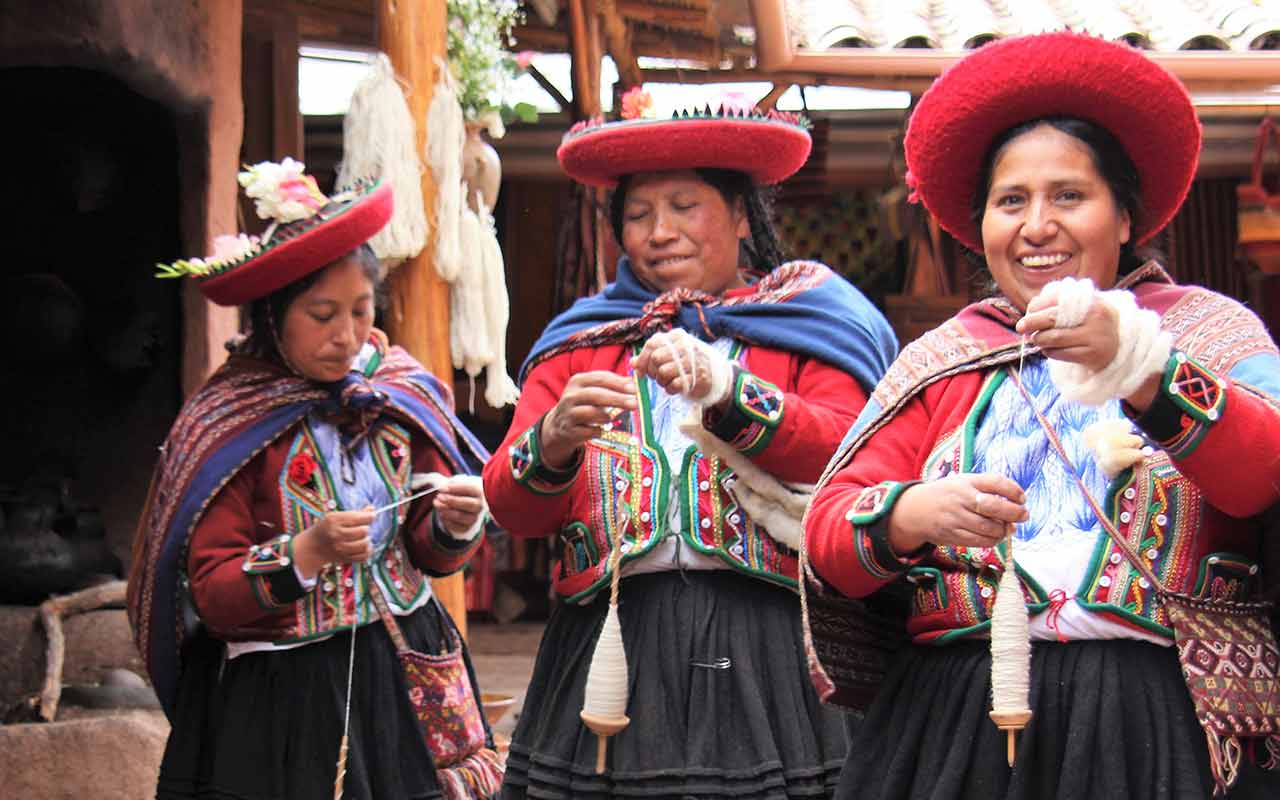
It’s here where things start to feel real, as you’ll start asking yourself questions like “What do I really need?” and “Will this shirt (or dress if you’re a woman) make me look the sexiest human in Colombia?”.
Hell, we’re all human, and we’re here to have the best trip possible.
After you’ve looked at different countries in South America and decided where you want to head, now it’s time to get practical and look at what you need (NEED), not want.
For example, it’s probably a good idea to take that pair of hiking boots if planning on going to Patagonia instead of 4 different bathing suits.
One of my best tips that have helped me during planning is to first lay out what I want to take. The second is to divide into two piles: absolute essentials that I need and others that I want.
Thirdly, add around 50% of the “others that I want” to your essential pile and start filling your backpack. Done. See my South America packing list for more ideas.
Remember that whilst your backpack may feel empty this way, this is good as:
- a) You’ll need space for new souvenirs and things you pick up along the way and…
- b) It’s a pain trying to fit everything back in every time you move to the hostel, especially if in a rush.
Pack a range of clothes (as you’ve read, you’ll experience absolutely everything in terms of weather and temperature in South America).
Toiletries are also important, although try to pack liquids of less than 100 ml, as this way you may be able to fly with just hand luggage, saving you some cash.


